
Research
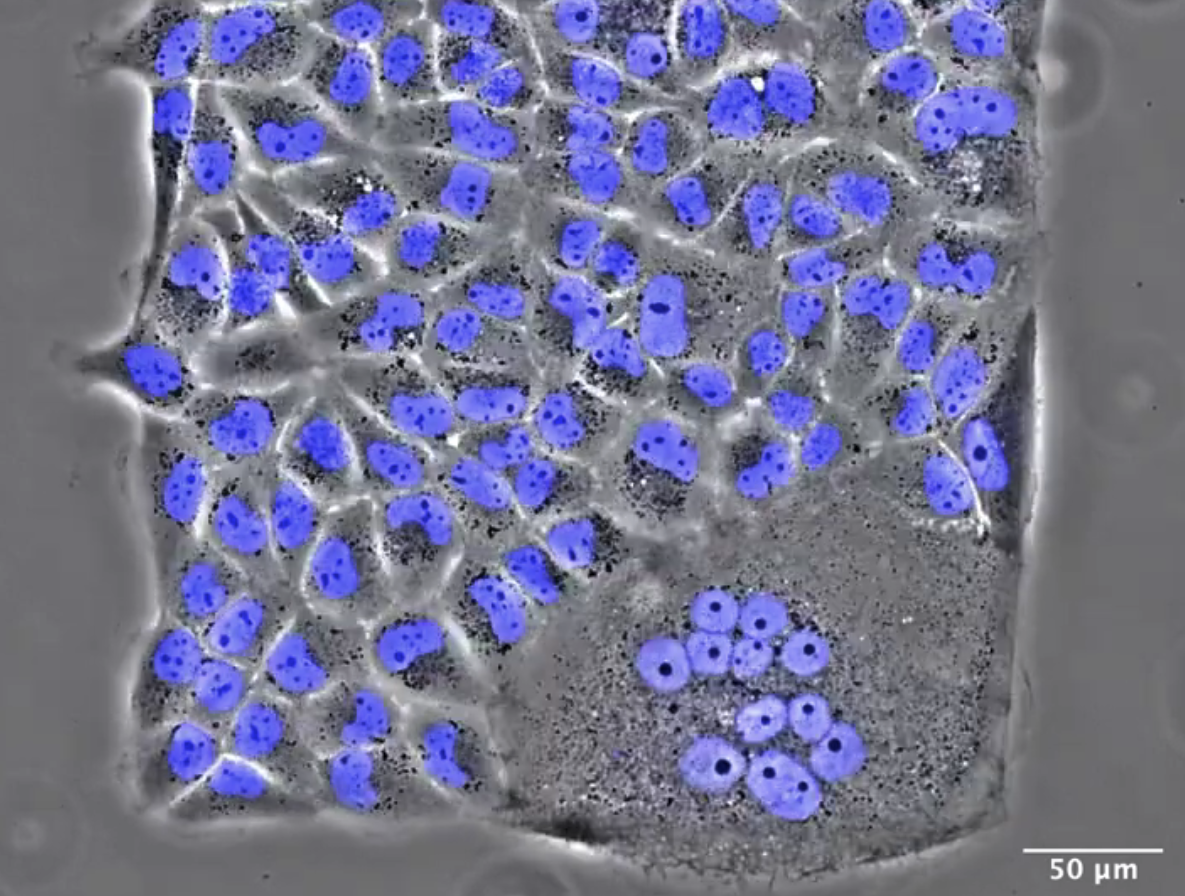
Biophysics of giant fused cells
I’m currently working to understand the mechanobiology of large fused cells (called syncytia) like the syncytiotrophoblast, which is a huge multinuclear cell that protect the fetal-mother barrier in the placenta. Syncytia can span an enormous range of sizes, from the typical micron scale of a normal cell all the way to the meter scale - the syncytiotrophoblast, for example, grows to 13 square meters during pregnancy! With a model system of fused MDCK cells, I’m investigating how giant cells maintain their stability and integrity, the large-scale reorganization of their organelles that happens after fusion, and how their biophysical properties differ as across these huge length scales. I use different microscopy techniques for live cell imaging, machine learning image analysis, and physics-based models to understand their behavior.
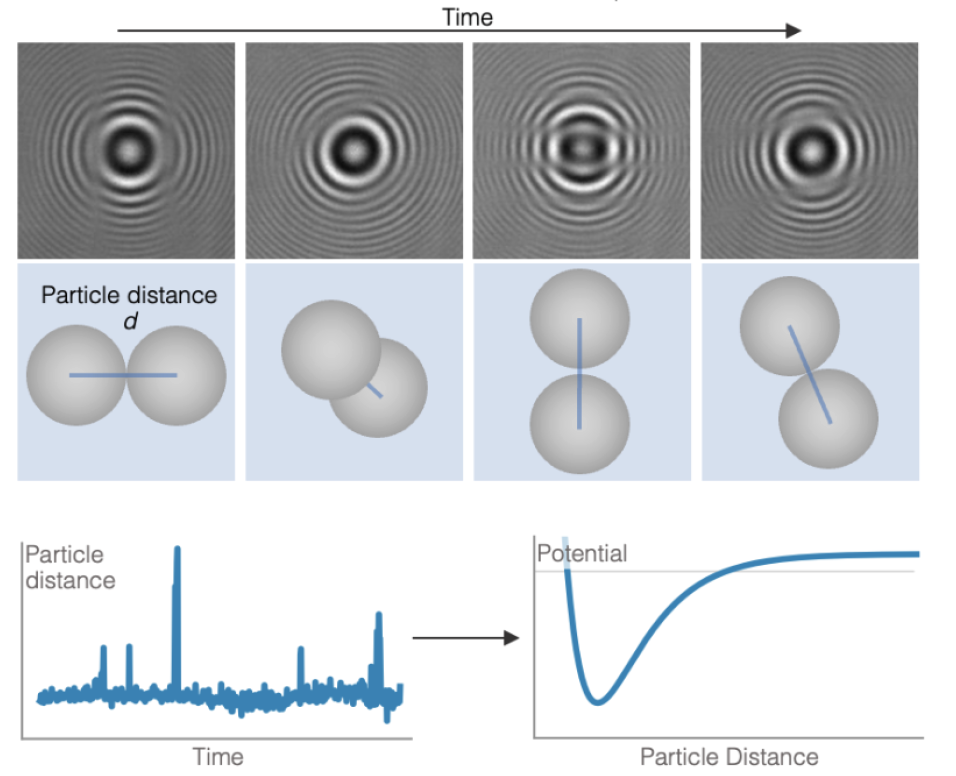
Precision measurements of colloidal forces
I worked to improve methods to track colloidal spheres in 3D space and applied those methods to infer forces between colloidal spheres. I improved data analysis techniques for extracting information with an imaging technique called holographic microscopy, allowing me to resolve the motion of colloidal spheres to nanometer-scale precision. I used these precise particle trajectories to extract physical information such as the underlying particle pair potential between the spheres.
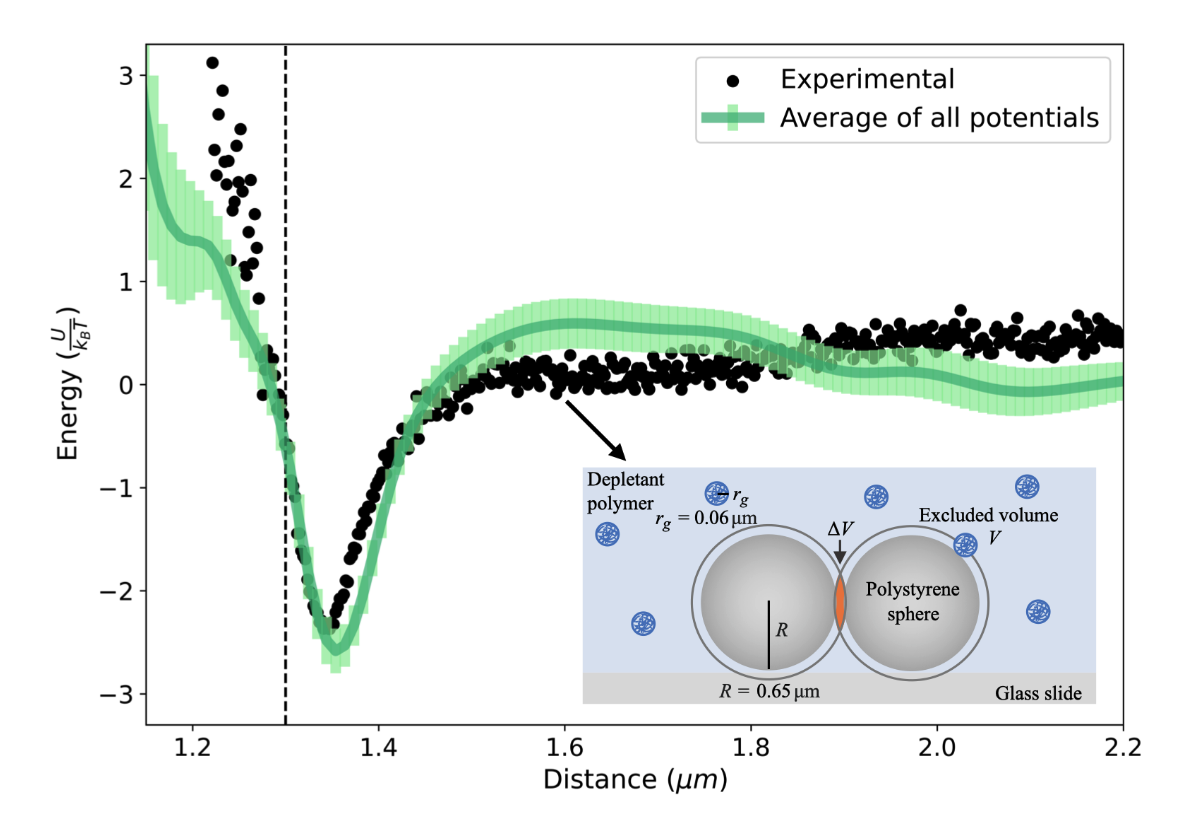
Inferring interactions from stochastic trajectories
In collaboration with members of Michael Brenner’s group, including Ella King and Megan Engal, I helped to develop a framework for understanding bulk particle interactions by analyzing the two-dimensional trajectories. Using machine learning, we inferred the underlying particle pair potential from experimental videos of many interacting particles.
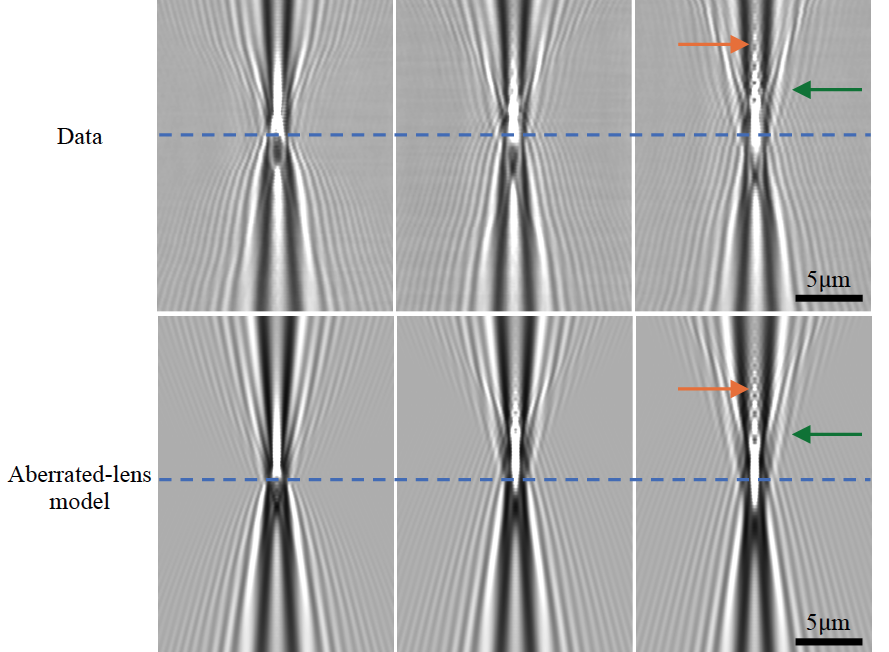
Improving particle characterization with holographic microscopy
I’ve also worked on developing better tools to watch and characterize colloids with light scattering methods like holographic microscopy and dynamic light scattering. I worked to improve characterization and tracking of colloidal particles using holographic microscopy by including optical effects in generative models, and to characterize the effects of spherical aberrations on holography through experiment and simulation.
Physics education and science communication
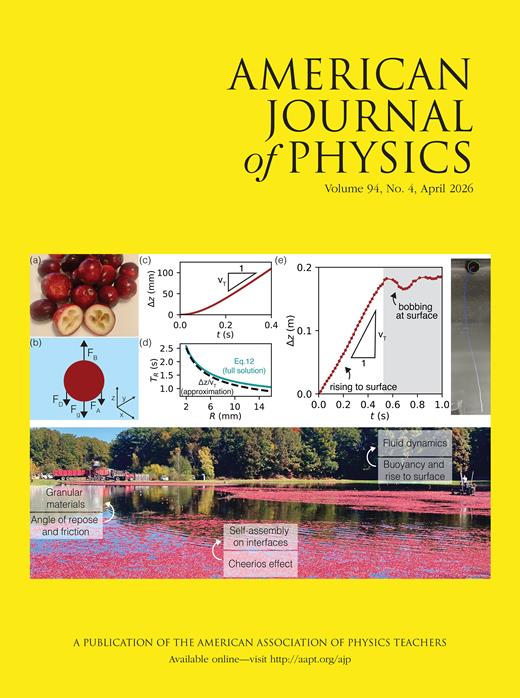
In addition to my scientific research, I’ve also worked on several projects focused on teaching and communicating physics. These projects include developing undergraduate-focused labs on macroscopic Brownian motion and the dynamics of cranberries during harvest, creating a science communication platform for middle and high school girls, and an April Fool’s Day paper on the connection between food and phase transitions!